
Transforming Property Markets Through Digital Innovation
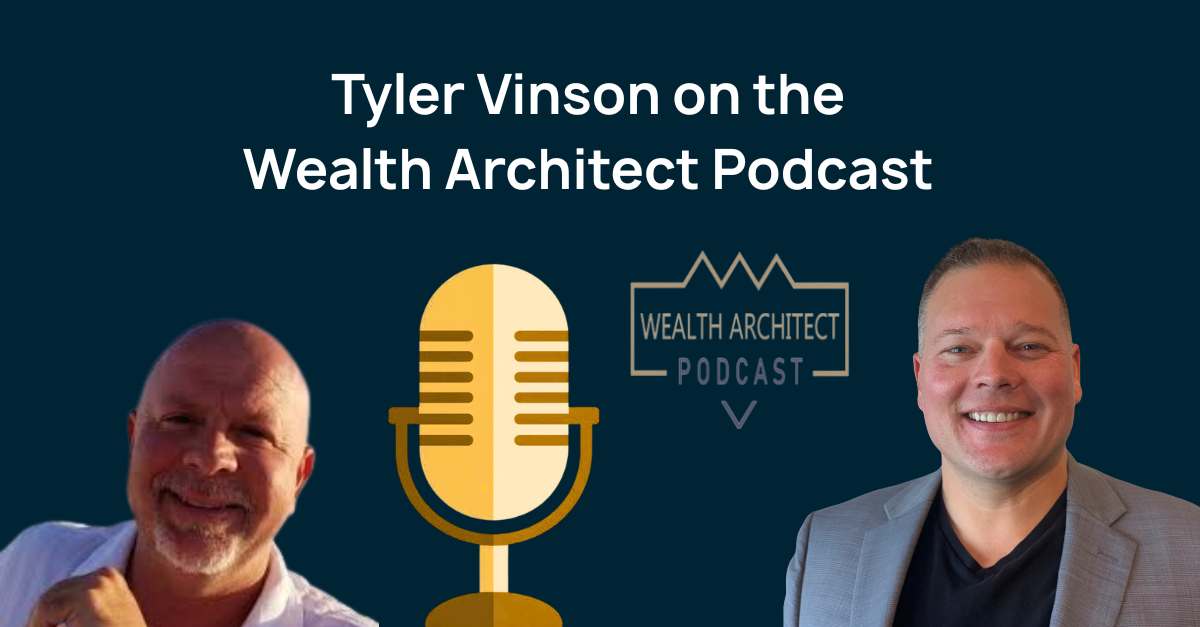
In Episode 173 of the Wealth Architect Podcast, Mark Yegge and Tyler Vinson dive deep into the emerging world of digital real estate. This educational conversation breaks down how blockchain-based securities and secondary-market trading are reshaping traditional real estate investment models, creating opportunities for both experienced investors and everyday individuals.
The Wealth Architect Podcast focuses on helping listeners build lasting wealth through strategic financial planning and innovative investment approaches. Tyler’s appearance adds valuable insights into how technology is opening new pathways for real estate participation.
Digital Ownership: Beyond Traditional Real Estate
Tyler explains how tokenization creates a digital ownership layer on top of traditional real estate assets. Rather than replacing conventional property ownership, tokenization enhances it by introducing blockchain-verified ownership records and creating the infrastructure for fractional ownership and secondary market trading.
“We’re not reinventing real estate,” Tyler clarifies during the conversation. “We’re adding technology that solves longstanding challenges around access and liquidity.”
This approach maintains all the benefits investors value about real estate—cash flow, tax advantages, and appreciation potential—while addressing the illiquidity problem that has historically limited participation.
Breaking Down Barriers to Entry
A significant portion of the discussion focuses on accessibility. Tyler walks through how traditional real estate syndications typically require $50,000+ investment minimums and accredited investor status, effectively creating barriers that exclude millions of potential investors from quality opportunities.
Through tokenization, these barriers can be substantially reduced. Digital securities enable fractional ownership at much lower minimums, potentially as low as $500-$1,000, while maintaining the same legal ownership rights and economic benefits as traditional syndication structures.
This democratization of access means that everyday investors who were previously shut out of institutional-quality real estate can now participate alongside more affluent investors in the same deals.
Creating Liquidity Through Secondary Markets
One of the most compelling aspects Tyler discusses is how tokenization enables the potential for secondary market trading. Traditional real estate investments lock capital for 5-10 years or longer with limited exit options. Tokenization introduces the possibility of trading ownership stakes on secondary markets before the underlying property is sold.
Tyler explains how Alternative Trading Systems (ATS) can function as marketplaces where tokenized real estate securities are bought and sold, similar to how stocks trade on exchanges. This secondary market infrastructure provides investors with liquidity options that simply don’t exist in conventional real estate syndications.
The conversation explores practical implications: What does this mean for portfolio management? How do these markets operate? What are the regulatory considerations? Tyler provides clear, actionable answers that help listeners understand both the opportunities and the frameworks that govern them.
Blockchain Technology as Infrastructure
Mark and Tyler discuss how blockchain serves as the foundational technology enabling digital real estate. Tyler demystifies blockchain, explaining it not as speculative cryptocurrency but as infrastructure for transparent, immutable ownership records and efficient transaction processing.
The blockchain component ensures that ownership is clearly documented, transfers are seamlessly executed, and all participants have visibility into the cap table and ownership structure. This transparency builds trust and reduces the administrative burden typically associated with managing syndication investor lists.
Who Benefits From Tokenization?
The episode provides honest insights into who real estate tokenization serves best. Tyler discusses various investor profiles and how tokenized real estate might fit into different investment strategies.
For Smaller Investors: Tokenization provides access to institutional-quality real estate that was previously unavailable due to high investment minimums.
For Portfolio Diversifiers: The ability to invest smaller amounts across multiple properties enables better diversification rather than concentrating capital in fewer deals.
For Liquidity-Seeking Investors: Those who value having exit options before property disposition can benefit from secondary market trading capabilities.
For Syndicators: General partners gain access to broader investor networks, improved operational efficiency through technology platforms, and competitive advantages in capital raising.
Regulatory Compliance and Investor Protection
Tyler emphasizes that legitimate real estate tokenization operates fully within securities regulations. The conversation covers how tokenized offerings need to comply with SEC frameworks including Reg D 506(c) for accredited investors and Reg A+ Tier 2 pathways so that can include non-accredited participants.
Understanding this regulatory context helps investors recognize the difference between compliant tokenization platforms and speculative projects that may not prioritize investor protection. Tyler’s insights provide clarity on what proper compliance looks like and why it matters.
The episode makes clear that tokenization is a tool that enhances real estate investing, not a replacement for sound investment principles and due diligence.
Building Wealth in the Digital Age
The Wealth Architect Podcast helps listeners construct comprehensive financial strategies for long-term prosperity. Tyler’s appearance contributes valuable education about an emerging investment category that combines time-tested real estate fundamentals with modern technology infrastructure.
As digital transformation continues reshaping financial markets, understanding how tokenization applies to real estate becomes increasingly relevant for investors seeking to diversify portfolios and access new opportunities.
Listen to the complete conversation on the Wealth Architect Podcast:
Episode 173: “Digital Real Estate With Tyler Vinson”